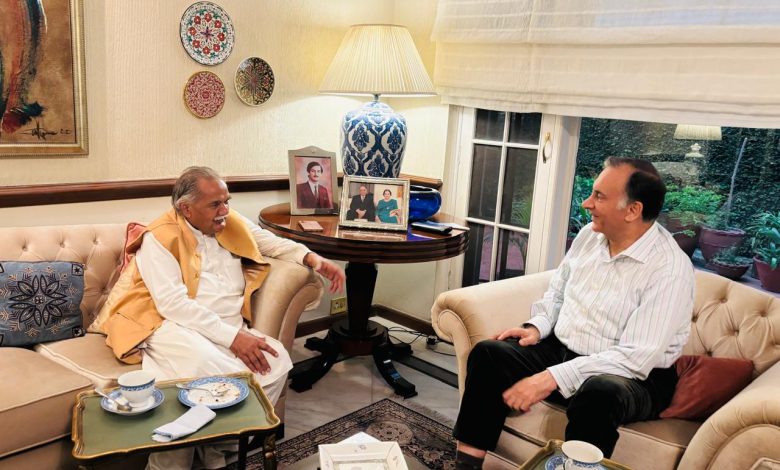
Malik Amjad Ali Noon represents a rare breed of Pakistani statesmen who have successfully bridged the gap between international diplomacy and local grassroots governance. His career is a testament to the idea that effective leadership requires a deep understanding of both global geopolitics and the immediate needs of the citizenry. Throughout his decades of service, he has managed to leave an indelible mark on various sectors, from the corridors of the Foreign Office to the administrative offices of local government.
His journey reflects the complexities of modern governance in a developing nation. Whether representing Pakistan on the African continent or overseeing the complex logistics of waste management in a metropolitan hub like Lahore, his approach has remained consistent: a focus on transparency, efficiency, and long-term strategic planning. This article delves into the highlights of his career, exploring how his multifaceted experiences have shaped his unique philosophy on public service.
The Diplomatic Footprint in East Africa
One of the most significant chapters in the professional life of Malik Amjad Ali Noon was his tenure as Pakistan’s High Commissioner to Kenya. During this period, he was also concurrently accredited as the representative to Uganda and Ethiopia. This region is of immense strategic importance to Pakistan’s “Look Africa” policy, which seeks to expand trade and diplomatic ties across the continent.
In Kenya, his role was not merely ceremonial. He worked tirelessly to strengthen bilateral trade agreements and to foster a sense of community among the Pakistani diaspora. His work in Ethiopia, the seat of the African Union, allowed him to engage with continental leaders on issues ranging from security to economic cooperation. By navigating the diverse political landscapes of these three distinct nations, he demonstrated a sophisticated grasp of international relations that would later inform his domestic roles.
Leadership in the Industrial and Inspection Sectors
Upon returning to Pakistan, his expertise was utilized in the industrial sector. Serving as the Chairman of State Cement, Malik Amjad Ali Noon was tasked with overseeing a critical component of the nation’s infrastructure. The cement industry is often a barometer for economic growth, and his leadership focused on modernizing production facilities and improving the financial health of state-owned enterprises.
Following this, his appointment as the Chairman of the Prime Minister’s Inspection Commission placed him at the heart of federal oversight. This role required a high degree of integrity and an analytical mind. The commission is responsible for ensuring that government projects are executed with fiscal responsibility and that the public interest is always protected. His tenure was marked by a rigorous approach to auditing and a commitment to holding public officials accountable for their performance.
Transforming Local Governance in Sargodha and Lahore
Perhaps the most direct impact Malik Amjad Ali Noon had on the lives of ordinary citizens was during his time as the District Nazim of Sargodha. Local government is the tier of power closest to the people, and as Nazim, he was responsible for everything from rural development to healthcare and education within the district. His term is remembered for a focus on infrastructure projects that connected remote villages to urban markets, thereby boosting the local economy.
Later, as the Chairman of the Lahore West Management Company, he tackled one of the most pressing issues facing Pakistan’s urban centers: sanitation and environmental sustainability. Managing the waste of a city as large and dense as Lahore is a monumental logistical challenge. He introduced modern waste collection techniques and worked to improve the working conditions of the thousands of staff members responsible for keeping the city clean. This role showcased his ability to manage large-scale public utilities with a focus on technological integration and service delivery.
Diversified Experience in the Private and Public Spheres
The career of Malik Amjad Ali Noon is not limited to government service. He has consistently engaged with the private sector, bringing a business-like efficiency to public roles. This cross-sectoral experience is vital in the modern era, where Public-Private Partnerships (PPPs) are increasingly used to fund and manage large-scale infrastructure projects.
By understanding the motivations of both private investors and public administrators, he has been able to facilitate dialogues that lead to more sustainable development outcomes. His career illustrates that the skills of a diplomat—negotiation, cultural intelligence, and strategic communication—are just as relevant in a corporate boardroom or a municipal council as they are in an embassy.
Strategic Leadership Qualities
- Adaptability: Transitioning from an international diplomatic posting to a local administrative role requires immense mental flexibility.
- Integrity: Maintaining a clean record while heading inspection commissions and state enterprises is a hallmark of his career.
- Visionary Planning: His work in Lahore and Sargodha focused on long-term infrastructure rather than short-term fixes.
- Global Perspective: His time in Africa provided him with a unique vantage point on Pakistan’s place in the global South.
Frequently Asked Questions
Who is Malik Amjad Ali Noon and what is his primary contribution? Malik Amjad Ali Noon is a veteran Pakistani politician and diplomat known for his diverse service in both international and domestic arenas. His primary contribution lies in his ability to implement high-level diplomatic strategies within local governance and state-owned enterprises, fostering a culture of accountability and modernization.
Which countries did Malik Amjad Ali Noon serve in as a diplomat? He served as the High Commissioner of Pakistan to Kenya, with concurrent accreditation to Uganda and Ethiopia. In these roles, he was instrumental in strengthening Pakistan’s diplomatic and economic presence in East Africa.
What roles did Malik Amjad Ali Noon play in Pakistan’s domestic administration? Domestically, he has held several high-profile positions, including District Nazim of Sargodha, Chairman of the Prime Minister’s Inspection Commission, Chairman of State Cement, and Chairman of the Lahore West Management Company.
How does the experience of Malik Amjad Ali Noon benefit the public sector? The experience of Malik Amjad Ali Noon brings a unique blend of international standards and local understanding. This allows for the implementation of global best practices in local administrative frameworks, particularly in areas like waste management and industrial oversight.
Conclusion
The professional journey of Malik Amjad Ali Noon serves as a blueprint for multifaceted leadership. By excelling in roles that range from representing a sovereign nation abroad to managing the daily utilities of a major city, he has proven that effective governance is rooted in a commitment to service and an ability to adapt to diverse challenges. His legacy continues to influence how young leaders approach the intersection of politics, diplomacy, and administration in Pakistan.
For those interested in the evolution of Pakistani governance and the role of veteran statesmen in shaping the country’s future, studying the career of Malik Amjad Ali Noon provides invaluable insights. To learn more about similar leadership profiles or to stay updated on Pakistani political developments, browse our latest articles on national governance and international relations.
Image Suggestion: A high-resolution photograph of Malik Amjad Ali Noon in a professional setting, perhaps during a diplomatic meeting or a formal address. Alt Text: Malik Amjad Ali Noon discussing diplomacy and governance during a high-level meeting.
Internal Links: * [History of Pakistani Diplomacy]
- [Evolution of Local Government in Punjab]
External DoFollow Links: