India Pakistan Bilateral Relations: 7 Key Takeaways From Jaishankar’s Germany Statement

India Pakistan Bilateral Relations: Context From Jaishankar’s Germany Visit
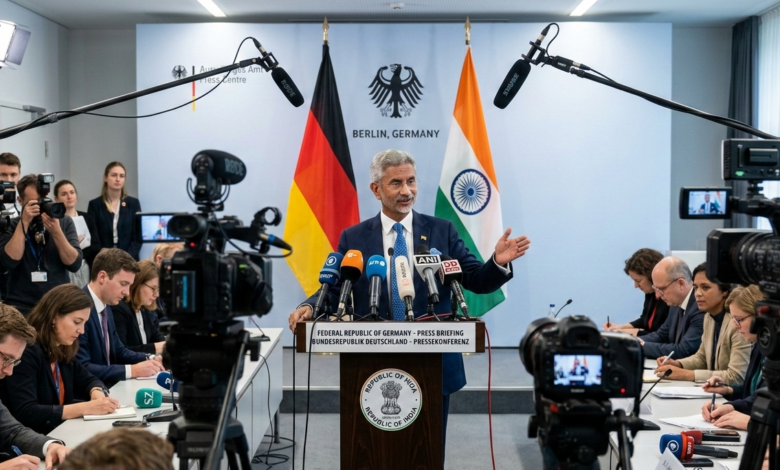
External Affairs Minister Dr. S. Jaishankar delivered a firm diplomatic message in Berlin underscoring India Pakistan bilateral relations as New Delhi’s preferred framework for interaction with Islamabad. Speaking at a joint press conference with German officials, he stressed that India will deal with Pakistan solely on a bilateral basis and that there should be no confusion in that regard following recent tensions in South Asia.
This blog examines the implications of Jaishankar’s comments for policymakers, investors, analysts, and regional stakeholders. Coverage will include historical background, recent developments, reactions, and what this stance could mean for future diplomatic engagements.
The Historical Backdrop of India Pakistan Bilateral Relations
India and Pakistan have been diplomatic neighbors since 1947, but the framework of their interactions has routinely shifted between periods of direct talks and protracted standstills driven by cross‑border militancy, ceasefire violations, and strategic distrust.
In recent years, the two countries agreed to a ceasefire along the Line of Control in 2025, marking a rare pause in military activity. According to Wikipedia, this agreement was welcomed by multiple international actors as an important step toward de‑escalation, even as underlying tensions persisted.
Why Jaishankar Reaffirmed India Pakistan Bilateral Relations in Germany
During his addressing of the media in Berlin, Jaishankar linked the message directly to India’s zero‑tolerance policy on terrorism and refusal to yield to external coercion, including nuclear blackmail, while emphasizing that India’s engagement with Pakistan must remain a strictly bilateral matter.
This stance has a dual purpose:
- Reinforcing India’s sovereign right to conduct foreign policy without third‑party influence
- Clarifying that regional security challenges, including counterterrorism, are India’s responsibility and not subject to international pressure
The reference to terrorism resonates with statements Jaishankar made in interviews with international outlets, where he described terrorism in Pakistan as a systemic issue supported by state and military structures.
Impacts of Emphasizing India Pakistan Bilateral Relations
1. Policy Clarity for International Partners
By communicating a clear bilateral approach, India signals to global partners that it expects other countries to respect its sovereign diplomatic choices without trying to mediate bilateral issues. This may reduce pressure on multilateral audiences to intervene in Indo‑Pak tensions.
2. Strategic Signaling to Pakistan
Stating a firm bilateral posture is also a signal to Islamabad that India will not outsource its security or political decision‑making to third states or institutions. As global tensions over terrorism and regional competition rise, such clarity may contribute to predictable policy dynamics.
3. Influence on Regional Security Architecture
India’s regional diplomacy continues to expand through platforms like the Raisina Dialogue and partnerships with the European Union, Gulf Cooperation Council states, and Indo‑Pacific allies. Clarifying India Pakistan bilateral relations helps position New Delhi as a responsible stakeholder in regional stability.
Related Developments in Diplomatic Engagements
This stance in Germany follows up on India’s broader counterterrorism messaging abroad. For example, Jaishankar’s remarks covered how terrorist organizations operate from within Pakistan’s territory and how India’s military response to terror attacks is calibrated yet decisive.
Other international visits, including engagements in Europe and multilateral forums, have reinforced India’s commitment to both security partnerships and sovereign decision‑making in foreign policy.
Frequently Asked Questions About India Pakistan Bilateral Relations
Q1: What does India Pakistan bilateral relations mean in the context of Jaishankar’s statement?
India Pakistan bilateral relations refers to direct diplomatic, political, and security engagement between New Delhi and Islamabad without third‑party mediation, which Jaishankar stressed during his Germany visit.
Q2: Why is bilateral diplomacy important for India?
Bilateral diplomacy allows India to protect its sovereign interests, particularly in matters related to terrorism, border security, and regional cooperation. Jaishankar’s comments underscore the primacy of direct engagement in managing these issues.
Q3: Does this mean India rejects talks with Pakistan entirely?
No. It means that India will engage Islamabad directly rather than encourage or rely on third‑party intermediaries. The focus remains on direct diplomatic channels to ensure clarity and national interest.
International and Domestic Reactions
Reactions to Jaishankar’s remarks have been mixed. International analysts see this as an assertion of India’s strategic autonomy, while in Pakistan, the reaffirmation of a bilateral approach has been interpreted as a tough diplomatic message in response to ongoing cross‑border tensions.
Germany’s engagement in the dialogue underscored a shared understanding of terrorism and a nation’s right to self‑defense, aligning with New Delhi’s narrative on regional security.
Conclusion and Call to Action
India Pakistan bilateral relations remain a central element of South Asian diplomacy. Dr. S. Jaishankar’s remarks in Germany reaffirm India’s agency in choosing a direct, bilateral path to address disputes and security concerns with Pakistan. This policy stance emphasizes clarity, sovereignty, and strategic logic in diplomatic engagements.
For further insights, explore our related analysis on India’s evolving diplomatic strategy and the 2025 India‑Pakistan ceasefire agreement.
Understanding how India frames bilateral relations with Pakistan is essential for policymakers, investors, and scholars following regional security.
If you are tracking developments in India’s foreign policy, subscribe to our newsletter for regular updates and expert analysis on diplomatic affairs.
External DoFollow Links:
- Times of India article for original coverage: https://timesofindia.indiatimes.com/india/there-should-be-no-confusion-in-germany-jaishankar-says-india-will-deal-with-pakistan-bilaterally/articleshow/121365593.cms
- Wikipedia on 2025 India‑Pakistan ceasefire agreement: https://en.wikipedia.org/wiki/2025_India-Pakistan_ceasefire_agreement